Sleeping Through the Deadline: The Auto-Renewal Clauses Quietly Draining Enterprise Budgets
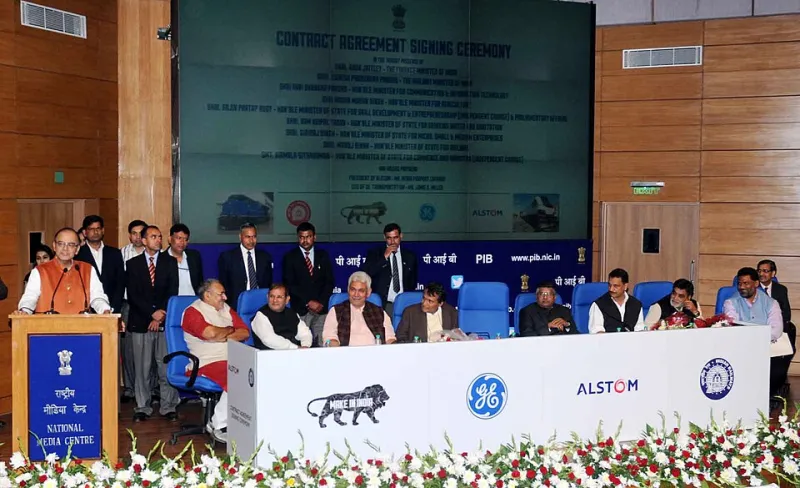
Photo: Ministry of Railways, GODL-India, via Wikimedia Commons
Somewhere in your enterprise, a contract is counting down. Maybe a five-year facilities agreement worth eight figures, maybe a software license your teams stopped using two years ago. Its terms say that unless your company sends written notice sixty or ninety days before the expiration date, the deal extends automatically — often at the same price, sometimes at a higher one.
Nobody sends the notice. The deal renews. And your organization pays, sometimes for years, for terms it would never accept if it were negotiating fresh.
This is not a fringe problem. Procurement audits across mid-size and large US enterprises routinely surface millions of dollars in obligations locked in purely through inaction. The clause is legal, standard, and almost always disclosed — buried on page fourteen in ten-point type.
The Anatomy of a Silent Renewal
Evergreen clauses follow a predictable pattern. The notice window is short relative to the contract term. The required method of notice is specific — certified mail to a particular address, a designated portal, a named account manager. And the penalty for missing the window is total: the contract renews for an additional full term, not a month-to-month courtesy.
The reason vendors love these provisions is straightforward. Renewal probability is highest when the customer is distracted. The end of a multi-year agreement coincides with leadership turnover, budget cycles, and the natural churn of whoever signed the original deal. The vendor's account team tracks the date. Your side, frequently, does not.
Consider how these deadlines get missed in practice:
- The contract owner left the company eighteen months before expiration, and no one inherited the file.
- The agreement sits in a departmental SharePoint folder, invisible to central procurement.
- The notice requirement is in a statement of work, not the master agreement everyone actually read.
- The window opened during a holiday period when the responsible manager was on leave.
Each failure is small. Compounded across a portfolio of hundreds of agreements, the aggregate cost becomes a line item nobody can see — because it is measured against a counterfactual price, not an invoice.
Building a Contract Calendar That Actually Works
The fix is unglamorous and organizational: a single, authoritative calendar of every agreement's notice deadline — not its expiration date. The distinction matters. If a contract requires notice ninety days before a December 31 expiration, your operational deadline is October 2. Track the wrong date and you lose by design.
A functional system has four components:
A complete inventory. Centralize every executed agreement, including amendments, renewals, and statements of work. Most enterprises discover during this exercise that they cannot produce a full list — which is itself the finding.
Deadline extraction at intake. Every new contract entering the organization should have its notice window logged before signature, not discovered at renewal. Make it a checklist item in the approval workflow.
Layered alerts. One reminder fails; three at 120, 90, and 60 days before the notice deadline do not. Route alerts to a role, not an individual, so attrition does not break the chain.
A decision trigger, not just a reminder. An alert that asks "do you want to renew?" produces shrugs. An alert that forces a documented go/no-go decision — with a named owner — produces accountability.
From Deadline to Leverage
Here is where mature procurement organizations flip the dynamic. A renewal deadline you control is not a defensive obligation; it is scheduled negotiating power.
A vendor knows that if you reach the notice deadline without objection, you are locked in. That knowledge shapes their pricing posture for the entire term. But the calculus inverts when the vendor understands that your organization reliably evaluates every agreement ahead of renewal — and credibly walks away from underperforming ones.
Practical tactics:
Open renewal discussions twelve months out. Approaching a year before expiration, you still have full leverage. Sixty days out, the vendor knows your alternatives have collapsed.
Benchmark before you negotiate. Enter the conversation with market pricing data and usage figures. Renewals are where unused licenses and stale rates get corrected — if you arrive prepared.
Let some agreements lapse deliberately. A portfolio where every contract renews teaches vendors that renewal is automatic. A portfolio with a visible attrition rate teaches the opposite.
Standardize the evergreen clause itself. Where your negotiating position allows, push for mutual notice requirements, shorter renewal terms, or termination for convenience. The best renewal is the one you get to choose.
The Cultural Shift
The hardest part is not the spreadsheet; it is the mindset. Contract renewal has historically been treated as administrative housekeeping, delegated down to whoever happens to own the relationship. Treating renewal dates as strategic checkpoints — moments of deliberate review with real financial consequences — requires buy-in from finance, legal, and the operating units that hold the vendor relationships.
Start with your twenty largest agreements. Log their notice deadlines this month. In most organizations, that single exercise surfaces at least one commitment that leadership would not sign today — and is scheduled to pay for, again, unless someone acts.
The clock is already running. The only question is whether anyone is watching it.